While the world watches American naval operations in the Strait of Hormuz and diplomatic wrangling over resuming talks with Iran, a threat lurks beneath the surface of the Persian Gulf that US military analysts consider one of the most serious. According to 2019 estimates by the US intelligence agency DIA, Iran has an arsenal of approximately 5,000 to 6,000 naval mines — and in a strait only 39 kilometers wide, their deployment could paralyze global oil trade. Novinky.cz ↗
These are not archaic weapons from the last century. According to available analyses, Iran's arsenal includes several types of contact, bottom, and smart mines, including models that respond to the acoustic or magnetic signature of ships. The Maham I moored mines carry a 120-kilogram warhead and operate at depths of up to 100 meters. The Maham II bottom mines, with a 350-kilogram charge, lie directly on the seabed. According to the DIA, mines with so-called influence fuzes can be set to let several ships pass and only activate under the next one — creating psychological uncertainty for every crew passing through the strait. Info.cz ↗
A particular challenge for minesweeping teams is the Nahab-7 mine, which copies the Italian Manta model from the 1980s. According to the DIA report, its fiberglass casing is capable of "deflecting the sonar waves emitted by minesweepers, causing their localization to fail." According to analyst H. I. Sutton, an expert on unconventional naval warfare, this is a typical example of asymmetric strategy — a multibillion-dollar arsenal must fight against weapons that cost a fraction of the price of an American destroyer to produce. Info.cz ↗
Iran does not need to mine the entire strait. The mere threat of mines can halt commercial shipping — insurers raise rates, tankers wait in ports, and oil prices spike even before the first mine explodes. Under normal circumstances, dozens to over a hundred tankers pass through the Strait of Hormuz daily. According to current data, their number has temporarily dropped to approximately 34 per day, indicating a significant reduction in traffic compared to the usual state. TA3 ↗
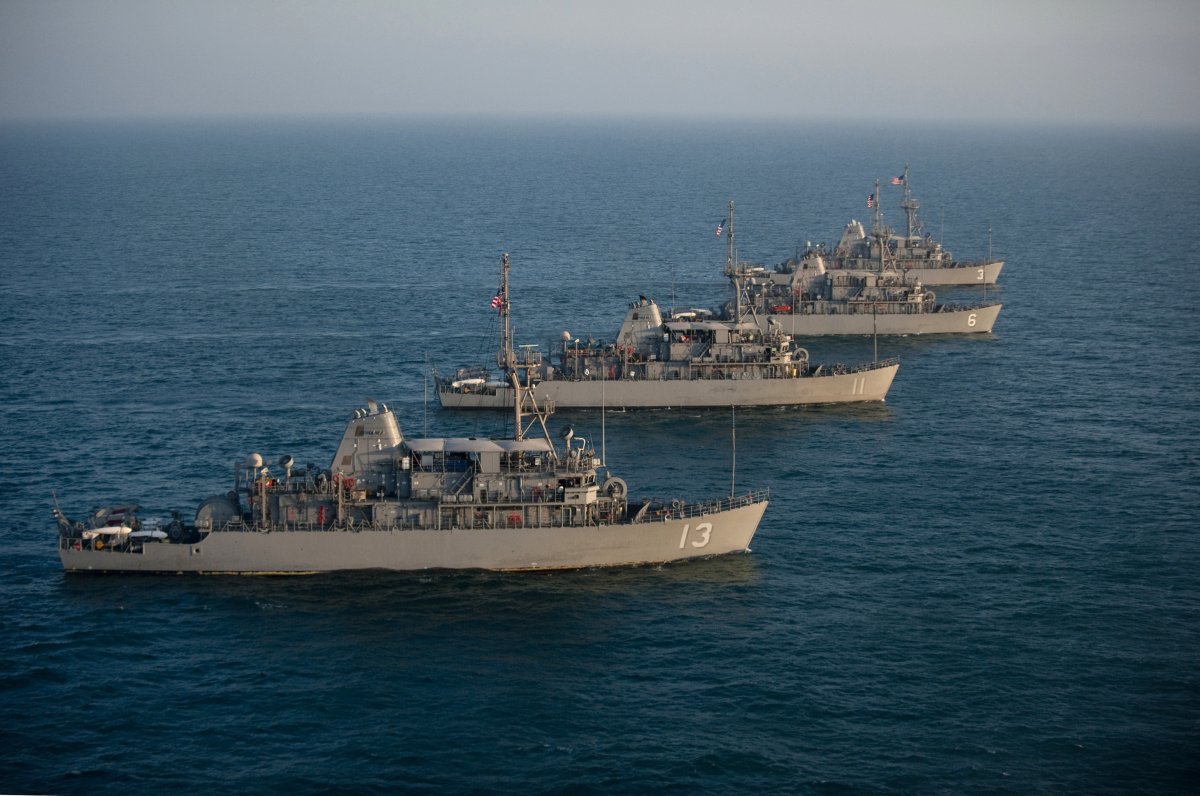
The US Navy is aware of the threat. Specialized Avenger-class minesweepers, previously stationed in Japan, are already sailing toward the Middle East. Independence-class littoral combat ships and Arleigh Burke-class destroyers are operating in the Persian Gulf. Underwater drones and autonomous mine-clearing systems are used for mine detection. However, the entire process — detection, localization, classification, identification, and neutralization — is extremely slow. According to experts, clearing mines from the Strait of Hormuz could be "the US Navy's toughest mission since the Korean War." Mining the strait would take hours. Clearing it would take weeks to months. Novinky.cz ↗
European allies have not yet supported US operations in the strait. British Prime Minister Keir Starmer stated that his country is not getting involved in the conflict. Finance Minister Rachel Reeves was more direct: "To start a conflict without it being clear what its objectives are and how we get out of it — I consider that foolish." France and Britain are instead organizing a conference focused on an international mission for safe passage through the strait. Pravda.sk ↗
Meanwhile, Trump has indicated that talks with Iran could resume this week. If they fail, it is the mines hidden beneath the surface of the Strait of Hormuz that may determine whether the regional crisis turns into a global energy shock. BBC News ↗
Tehran's Hidden Weapon: Thousands of Mines Could Paralyze the World's Most Important Oil Strait
🔥 You might also like

European Union
What Europe is writing about: Trump threatened Iran with destruction, US has a deal on Greenland, EU removed two oligarchs from sanctions
Trump threatened Iran and Cuba at the UN, then his negotiators talked with the Iranians. The US signed a deal on Greenland, and the EU removed two oligarchs fro …

European Union
What Europe is writing about: Pavlohrad under attack, Vance the favorite for 2028, Israel shook Lebanon
A Russian drone killed five people in a shopping center in Pavlohrad, JD Vance became the favorite for the 2028 nomination, Israel triggered an earthquake while …

World Politics
The Hormuz agreement promised a toll-free strait. The text says it's only for sixty days
Trump announced the toll-free opening of the strait. But the memorandum speaks of sixty days, after which negotiations would resume.
Geographic locations


From our newsroom original
All →
Swedish court convicts two men over concealed Viking-era treasure, acquits third man accused of selling it
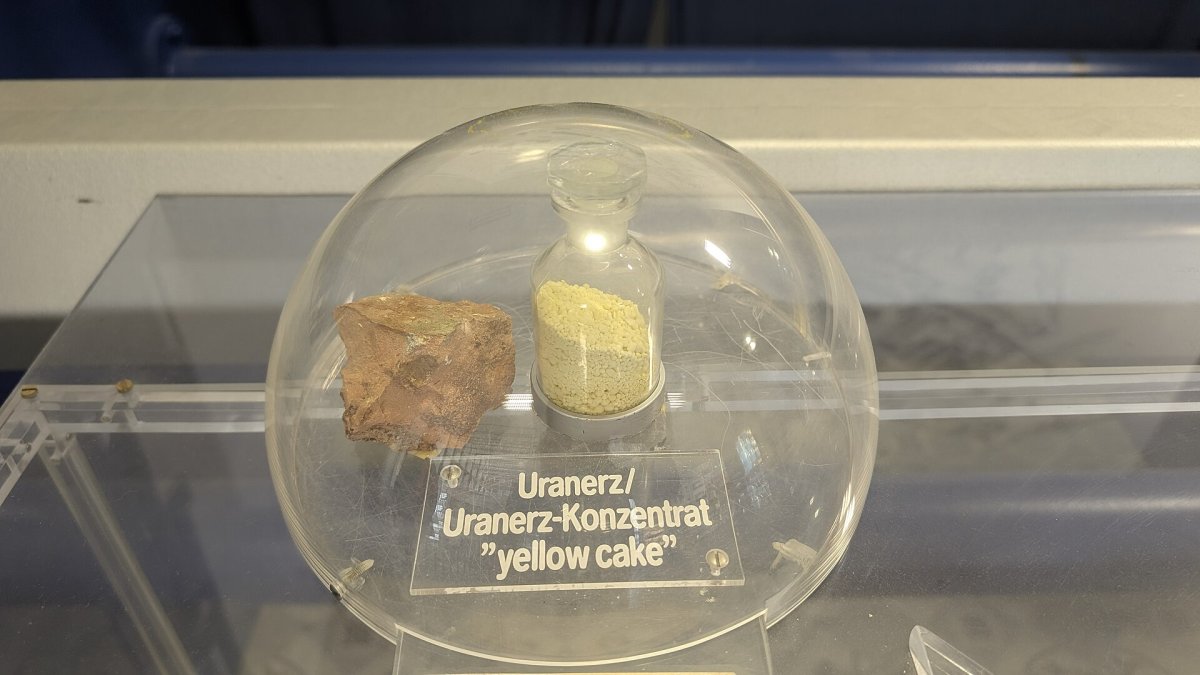
Man suspected of attempting to sell uranium-238 for $700,000 detained in Georgia

Amsterdam museum returned ancient vase to Sicily, theft revealed by 1976 wedding photo

Hungary to introduce a wealth tax and change taxation of athletes

Macinka boycotts ČT's Superdebate, television defends its rules
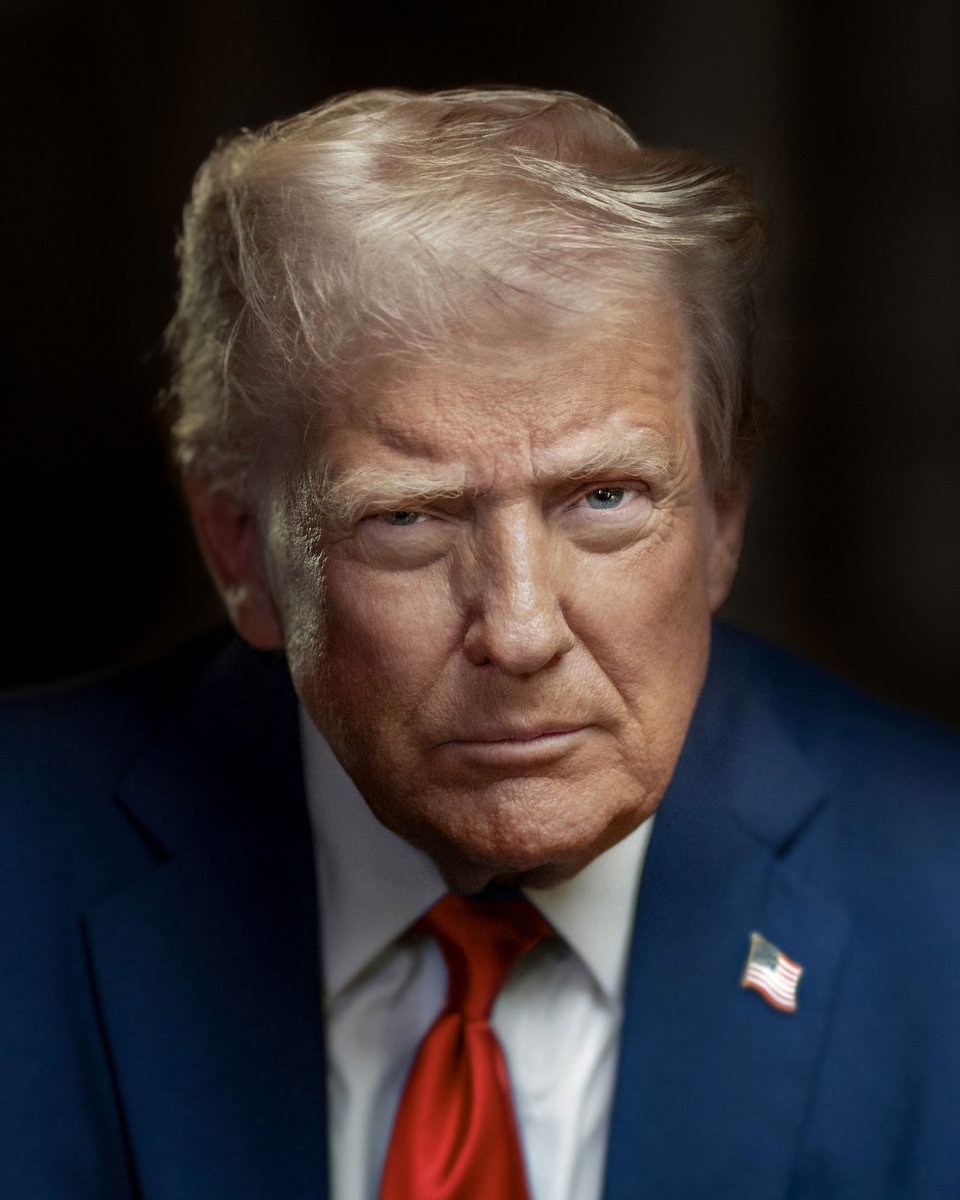
A gilded statue of a naked Trump was put on display in the European Parliament
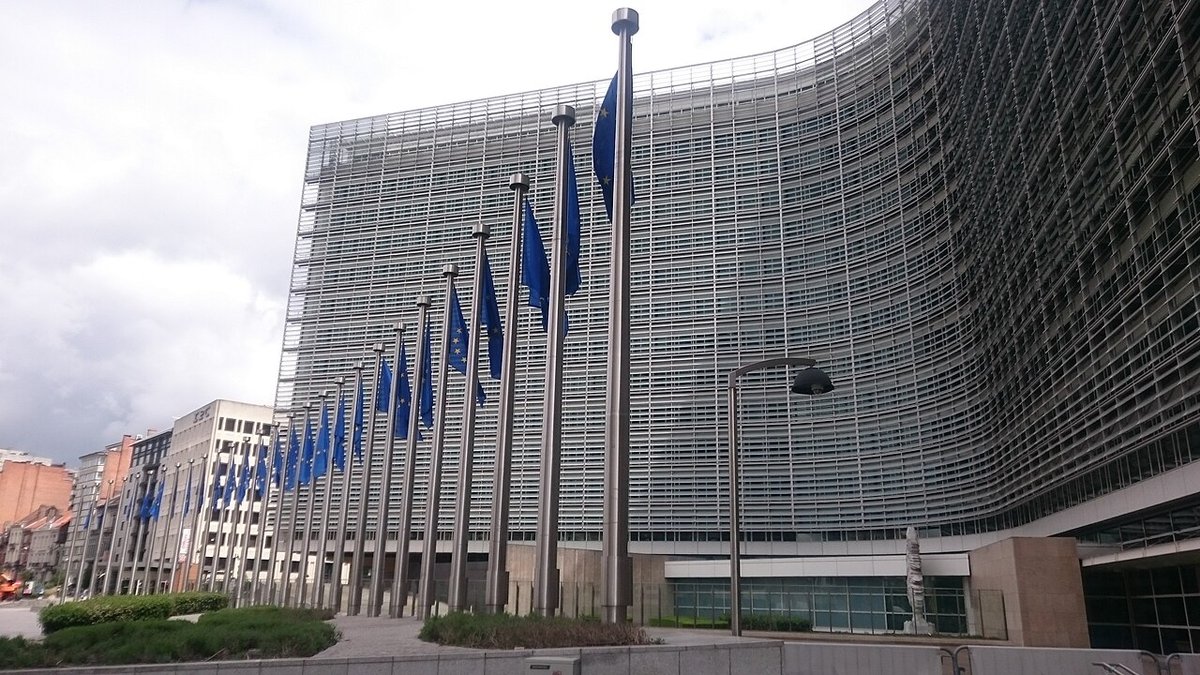
What Europe Is Writing About: AfD Leads a State Parliament, Ex-BND Chief Arrested, Puigdemont May Return

What Slovakia is writing about: Government approves budget without agreement with unions; Taraba wants earlier abolition of the transaction tax in return for support