Vice President J. D. Vance announced on Sunday that the American delegation is leaving Pakistan after 21 hours of negotiations without reaching an agreement. "We were unable to reach a situation in which the Iranians would be willing to accept our conditions," Vance told reporters in Islamabad. Iran was presented with a "final and best offer" that Tehran can consider. Halting Iran's nuclear capabilities remained, according to him, the "main goal" that was not achieved. BBC News ↗
The Iranian side reacted differently. State television Press TV cited "excessive demands" by the American side as the cause of the failure, with the Strait of Hormuz and the nuclear program among the main points of dispute. Iran's Ministry of Foreign Affairs described the talks as "intensive" and called on Washington to refrain from "unlawful demands." According to the semi-official Tasnim agency, the strait was the "main point of serious disagreement" in the negotiations. Al Jazeera ↗
Vance's meeting with the Speaker of the Iranian parliament, Mohammad Bagher Ghalibaf, was the highest-level direct contact between the US and Iran since the Islamic Revolution in 1979. However, both sides arrived with positions that were, according to the BBC, "as far apart as possible." Iran presented a 10-point proposal demanding recognition of the right to enrich uranium, withdrawal of American forces from the region, the lifting of all sanctions, and war reparations. The American proposal, by contrast, reportedly demanded a complete end to uranium enrichment on Iranian territory. The Speaker of the Iranian parliament, Ghalibaf, also demanded before the talks the release of an estimated 120 billion dollars in frozen Iranian assets, although the Pakistani prime minister did not mention such a condition in his announcement of the ceasefire. BBC News ↗
The Strait of Hormuz remains practically paralyzed despite the ceasefire agreed on Tuesday. According to S&P Global data, only 22 vessels with their identification systems switched on have passed through the strait since the start of the ceasefire — compared to an average of 135 per day before the war. Nearly 800 ships and an estimated 20,000 sailors remain stranded in the Persian Gulf. The US Central Command (CENTCOM) announced on Saturday that two destroyers — the USS Frank E. Peterson and the USS Michael Murphy — sailed through the strait as part of a mission to clear mines laid by the Islamic Revolutionary Guard Corps. Admiral Brad Cooper described the operation as "the beginning of a process to establish a safe route" for commercial shipping. Iran firmly denied the American claim, and the Revolutionary Guards threatened a "forceful response" to any military vessel. Al Jazeera ↗
Meanwhile, Iran introduced new transit routes north of the existing shipping corridors, citing that the main zone contains "various types of anti-ship mines." According to reports, some ships that managed to pass paid a fee of two million dollars per vessel. The Secretary-General of the International Maritime Organization, Arsenio Dominguez, stated in an interview with Al Jazeera that such fees are "in violation of international law" and called on all countries to reject them. "Countries have no right to impose fees on international straits," he said. Intertanko, an organization representing more than half of the world's tanker fleet, warned that paying fees to an organization listed as a terrorist organization should be ruled out. BBC News ↗
Pakistan, as host of the talks, also strengthened its military engagement in the region. According to Al Jazeera, its fighter jets landed on Saturday at King Abdulaziz Air Base in the eastern province of Saudi Arabia as part of security cooperation between the two countries. According to analyst Imtiaz Gul, this is more a signal to Tehran than a military reinforcement. "Three fighter jets won't change much militarily, it's a signal to Iran to be flexible in the negotiations," he told Al Jazeera. Al Jazeera ↗
Before departing for Islamabad, Vance warned Tehran: "If the Iranians are willing to negotiate in good faith, we are certainly willing to extend an open hand. If they try to play us, they'll find that the negotiating team is not very receptive." President Trump made a joke about the whole mission at the White House Easter lunch: "If it doesn't work out, I'll blame J. D. Vance. And if it works out, I'll take the credit myself." A senior European diplomat summed up the situation: "Vance has to stand in the room and bring something. Otherwise he'll be weakened." BBC News ↗
Twenty-one hours in Islamabad showed just how wide the gap between the two sides remains. The nuclear issue, Hormuz, regional allies, Lebanon, and sanctions represent five disputes, each of which would require months of further negotiations. The ceasefire expires in about ten days, and the question governments around the world are asking is simple: what happens after it ends, and whether Vance's "final offer" was truly final.

Islamabad without an agreement: Vance presented a "final offer" after 21 hours, Iran rejected it
Videos
🔥 You might also like

World Politics
Trump promised citizens $5,000 for victory in Dallas
The Republican convention in Dallas brought new proposals and speeches as Donald Trump tries to boost the party ahead of November's Congressional elections. The …

World
What Europe is writing about: Pavlohrad under attack, Vance the favorite for 2028, Israel shook Lebanon
A Russian drone killed five people in a shopping center in Pavlohrad, JD Vance became the favorite for the 2028 nomination, Israel triggered an earthquake while …

World Politics
Vance attacks Democrats in Dallas, hints at presidential ambitions
US Vice President James David Vance spoke at a Republican convention in Dallas, where two months before the congressional elections he sharply attacked the Dem. …


From our newsroom original
All →
MPs debate the budget, Kamenický rejects threat of provisional budget
Russian attacks on Ukraine claim at least 28 lives
Petr Pavel left for Morocco and will miss the municipal elections
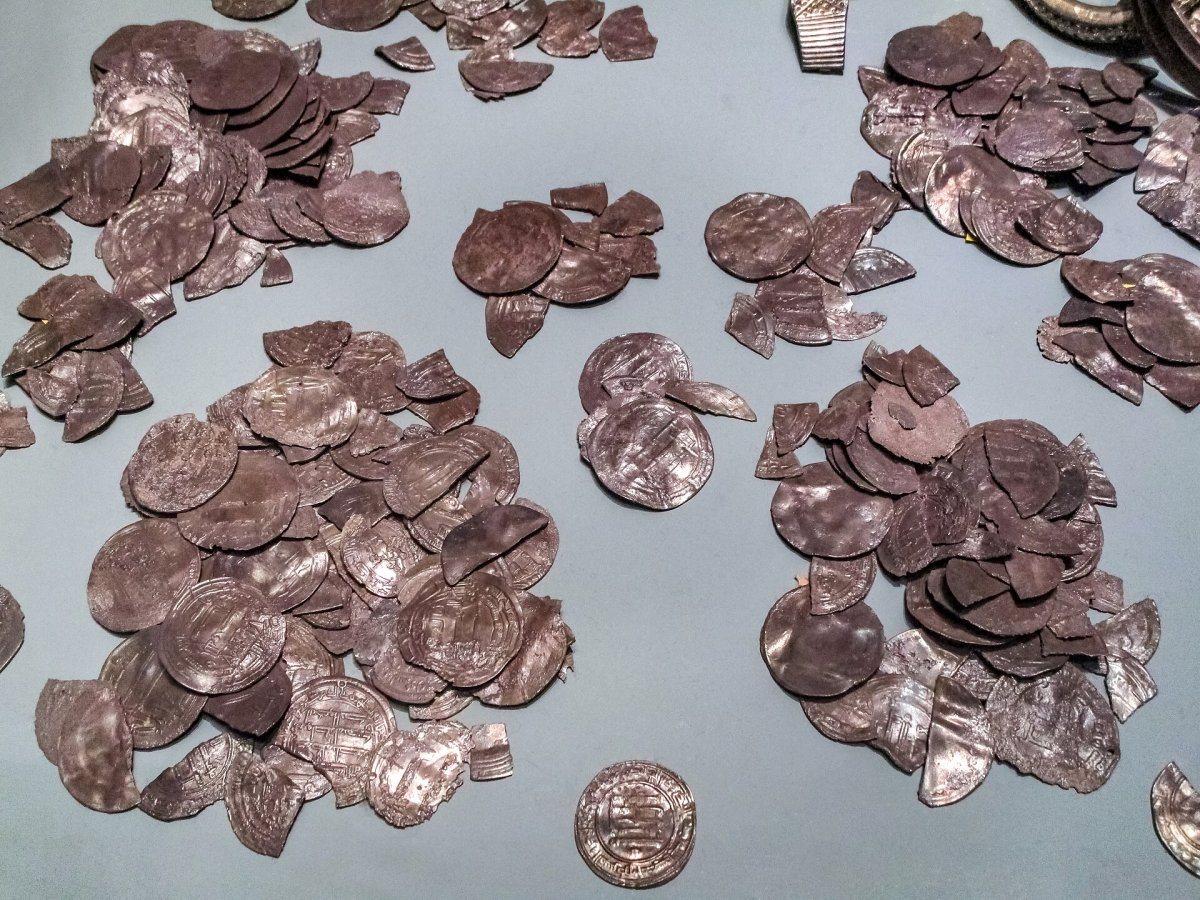
Swedish court convicts two men over concealed Viking-era treasure, acquits third man accused of selling it
Man suspected of attempting to sell uranium-238 for $700,000 detained in Georgia
Amsterdam museum returned ancient vase to Sicily, theft revealed by 1976 wedding photo

Quebec: Separatists Win with 28% of the Vote and No Majority, Promise Referendum Only After Trump
What Europe Is Writing About: AfD Leads a State Parliament, Ex-BND Chief Arrested, Puigdemont May Return